Here's what nobody tells you about post-menopausal clitoral sensitivity
After menopause, your clitoris doesn't disappear. But it does change. The tissue thins because estrogen drops. The neural density stays exactly the same. What shifts is how your body responds to friction, pressure, and sustained stimulation. For some people, direct vibration that felt perfect at 35 becomes irritating at 55. For others, sensation actually sharpens. The trick is finding which camp you're in, and then picking a lemon vibrator that matches.
I've worked with hundreds of people navigating this transition. The most common mistake is assuming that if a vibrator doesn't work anymore, your body is broken. It's not. You've just outgrown the tool. That's fixable in about five minutes.
Why lemon vibrators work so well for post-menopausal bodies
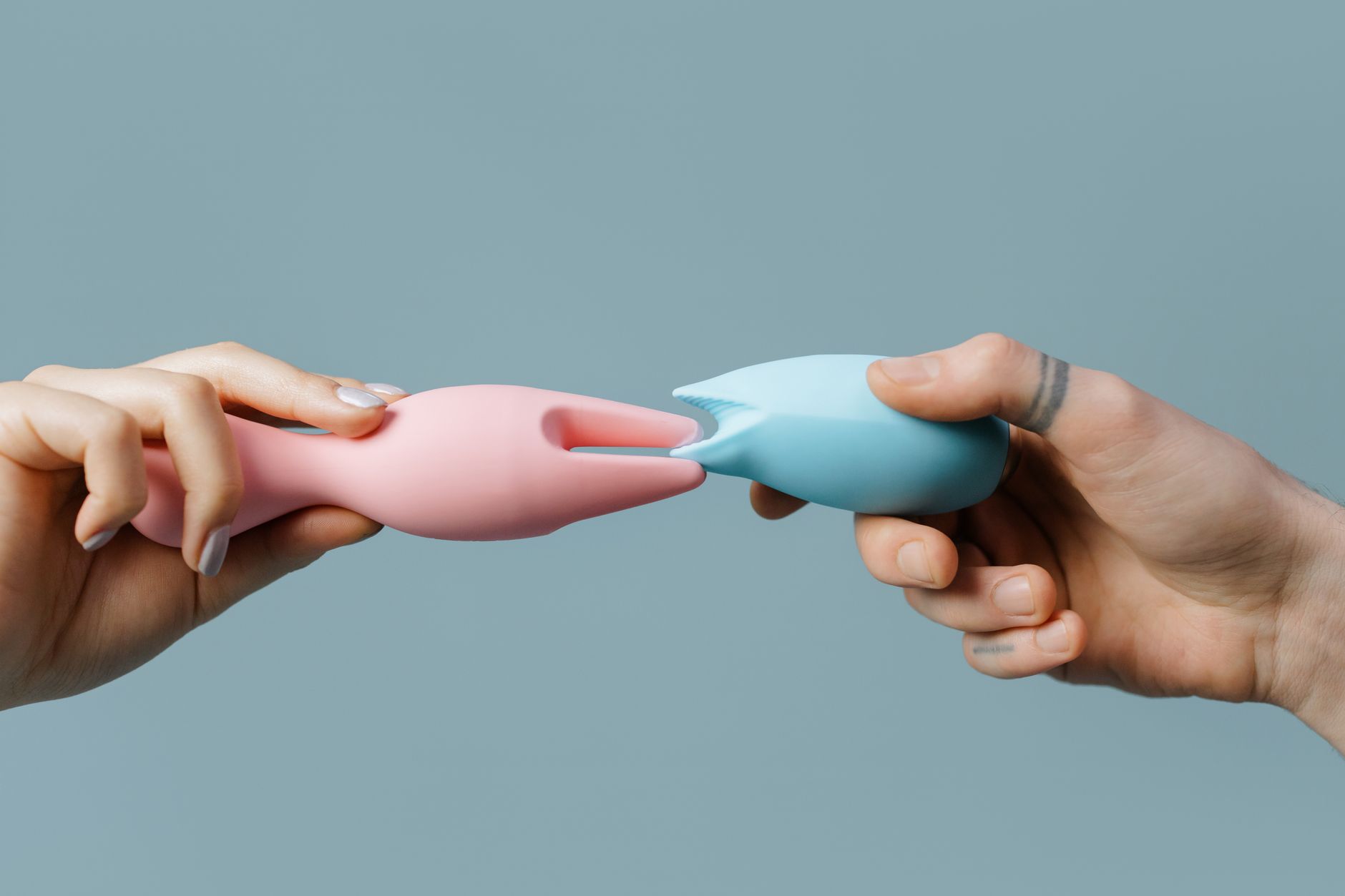
Lemon vibrators like the Lem use air-suction stimulation instead of direct vibration. This matters enormously when tissue is thinner and more sensitive to friction. Suction creates a gentle pressure wave across a larger surface area. It doesn't require the same intense contact that traditional vibrators do. For post-menopausal bodies, this difference is the gap between pleasure and discomfort.
Here's what happens physiologically. Direct vibration buzzes against delicate tissue. Suction lifts and massages. Your clitoris has thousands of nerve endings concentrated in a tiny space. Suction engages them more evenly. You get fuller sensation with less mechanical stress. It's why people often tell me their most satisfying orgasms came after switching to a lemon clitoral vibrator. They're not exaggerating.
The secondary benefit: suction vibrators tend to have slower, deeper patterns. Your nervous system calms down around slower rhythms. Faster patterns can sometimes feel overstimulating on thinner tissue. Slower patterns feel grounding. That shift in pacing alone changes the entire experience.
Pattern strength matters more than you think
When you're shopping for a lemon vibrator post-menopause, forget the "maximum settings" marketing. It's noise. What matters is the lowest patterns.
Most clitoral vibrators have 3-5 pattern options. With a traditional vibrator, you might start at pattern 3 or 4. With a suction lemon vibrator, start at pattern 1. Genuinely sit with it for 30-60 seconds. Let your tissue acclimate. Your body isn't slow. It's just registering sensation differently now. The suction needs a moment to build the pressure wave correctly.
After menopause, many people find they actually prefer patterns 1-3 permanently. The intensity is sufficient. The sensation is cleaner. Jumping to the strongest setting feels like choosing a jackhammer when you wanted a massage. You deserve the massage.
If you do experiment with higher patterns, use extra lubrication. Water-based lube is your friend here. It reduces friction, adds glide, and means the suction works more efficiently. Silicone-based lubes feel richer but can damage silicone toys. Stick with water-based.
Material texture and body fit change everything
The physical design of a lemon vibrator matters as much as the function. After menopause, your vulva and clitoris change shape slightly. Tissue thins but may also shift position subtly. A toy that worked five years ago might now sit at an odd angle against your body.
Look for a design with a curved, ergonomic head. The Lem's shape is intentional. It's designed to fit snugly against the clitoris without requiring you to hold it in a specific pressure angle. Your hand does less work. Your pelvic floor relaxes more. That relaxation is crucial because post-menopausal pelvic floor tension often increases as estrogen drops. If you're white-knuckling a vibrator into position, you're working against your own tension.
The material also shifts preference. Pre-menopause, many people like firm silicone. Post-menopause, softer silicone or flexible materials can feel more comfortable. The surface doesn't have to be hard to transmit sensation effectively. In fact, slightly softer materials distribute pressure more evenly across thinner tissue.
Warming up takes longer now. That's not a problem if you plan for it
One of the most common frustrations I hear from post-menopausal clients is the time lag between arousal starting and orgasm arriving. Everything works. It just takes longer. Many people interpret this as dysfunction. It's not. It's just a longer warm-up window.
Here's how to work with it, not against it. Budget 15-25 minutes for solo play instead of 5-10. Start with external stimulation on low patterns. Let your body acclimate gradually. Use plenty of lubrication. Breathe deeply. Your nervous system settles into pleasure slower now, and that's actually an advantage. Slower arousal curves often create deeper, more complex orgasms because more neural pathways activate.
Some people find that adding manual stimulation (hands on other areas) helps bridge the warm-up time. This isn't because the lemon vibrator isn't working. It's because multiple inputs activate your brain more completely. Your clitoris is only one pleasure center. Engaging your whole body speeds everything along without rushing any single sensation.
With a partner, communicate this timeline. "I need 20 minutes to warm up now" is not a complaint. It's information. Many partners actually prefer it because it means you get more foreplay, more intimacy, more presence. Frame it that way.
When sensitivity loss is actually hormonal imbalance, not menopause
Here's the curveball. Sometimes people tell me, "I've hit menopause and now I feel nothing," and it turns out they're not actually in menopause yet. They're in perimenopause. Hormones are volatile. You might have a week where sensitivity is completely normal, then crash into numbness.
If sensitivity loss is extreme and inconsistent, talk to a gynecologist. Genitourinary syndrome of menopause (GSM) is real and treatable. Topical estrogen creams can restore sensitivity in weeks. Low testosterone (yes, people with ovaries produce it) can also tank sensation. That's treatable too. Neither condition is permanent without treatment.
If you've already got a proper diagnosis and hormones are stable, then yes. Clitoral sensitivity changes post-menopause, and that's where lemon vibrators shine. But rule out the medical piece first.
Building a routine around what actually works now
Here's something they don't teach you in sex education. Pleasure isn't about finding the perfect toy. It's about building the right environment around the toy. Post-menopause, that environment matters more.
Think about timing. Some people report that morning play feels sharper than evening play (energy dips). Some find the opposite. Figure out your peak sensitivity window. Schedule it. Literally. Block 20 minutes on a Tuesday morning if that's when your body lights up. This isn't unromantic. It's honest.
Add a ritual around it. Maybe you light a candle. Maybe you put on music. Maybe you start with a bath or shower to warm your skin. Your nervous system responds to consistency. The more routine you make it, the faster your body settles into receptivity.
If you're with a partner, consider alternating solo and partnered sessions. Solo play lets you learn exactly what works on the new body. That information then flows into partnered sessions. You're not figuring it out with an audience.
How to know if you're picking the right toy
You've used a lemon vibrator for a week. How do you know it's actually right for your post-menopausal body? Here are the signals.
Right toy: sensation builds gradually, orgasms feel full rather than scattered, you're not white-knuckling it into position, minimal discomfort after play, you want to use it again next week.
Wrong toy: persistent irritation or soreness, overstimulation that lingers, you're contorting your hand at weird angles, sensations feel numb even on high patterns, you dread playing because something feels off.
If it's wrong, don't assume your body is broken. Try a different pattern intensity first. Then try adding lube. Then try a different toy design. The Lem and other lemon clitoral vibrators come in specific shapes for this reason. Not everything works for every body. That's normal.
Common questions after menopause
Can I use the same vibrator I used before menopause?
Maybe. But probably not at the same intensity or duration. Your tissue is different now. What felt gentle at 40 might feel rough at 50. Try using your old vibrator on its lowest setting with extra lubrication. If it's still uncomfortable, switch to a design built specifically for sensitive post-menopausal tissue. A lemon vibrator's air-suction design is usually gentler than traditional vibrators on thinner tissue.
Why do some orgasms feel less intense than before?
A few reasons stack together. Pelvic floor changes mean contractions feel different. Hormone changes affect your nervous system's response. And honestly, sometimes less intensity feels better because it's cleaner sensation. You're not chasing the same sensation you had at 30. You're experiencing a new version. Intensity isn't the goal. Pleasure is.
Should I use lube every single time?
Yes, if your body isn't producing enough natural lubrication. This is incredibly common post-menopause. It's not about desire. It's about tissue hydration. Water-based lube is your safest bet. Silicone-based lubes last longer but can degrade silicone toys. If you're using a silicone lemon vibrator, stick with water-based.
Does a lemon vibrator actually work better than a regular vibrator for sensitive tissue?
For most post-menopausal bodies, yes. The air-suction design distributes pressure more evenly. Direct vibration can feel abrasive on thinner tissue. That said, everyone's different. If you've never tried a suction-style vibrator, it's worth experimenting.
Is it normal to need longer to orgasm now?
Completely normal. Arousal takes longer. That's physiology, not dysfunction. The upside: when you do orgasm, it's often deeper because more neural pathways have activated. Longer isn't worse. It's just different.
What if I feel nothing even on the lowest settings?
First, check lubrication. Second, check timing (am I tired, stressed, dehydrated?). Third, check the toy design (does it fit my body correctly?). Fourth, see a doctor (GSM and low testosterone are fixable). Don't assume sensation loss is permanent without ruling out medical causes first.
The real shift you're making
Choosing a lemon vibrator after menopause isn't about settling for less pleasure. It's about upgrading to tools designed for how your body actually works now. Your clitoris didn't lose its power. It's just asking for a different kind of stimulation. Listen to it. Your best orgasms might actually be ahead of you.
When you're ready to explore what works for your post-menopausal body, reach out and let's talk. Your pleasure matters. It's not negotiable.
References
- American College of Obstetricians and Gynecologists. (2023). Genitourinary Syndrome of Menopause: Clinical Guidance.
- Kingsberg, S.A., & Krychman, M.L. (2013). The sexual aftermath of menopause. The Journal of Sexual Medicine, 11(1), 226-236.
- Shifren, J.L., et al. (2008). Vaginal hormone therapy for genitourinary syndrome of menopause. Menopause, 15(4), 623-630.