Let's be real. Sometimes your body stops talking to you. Not all at once, not in a way you can point to on a calendar. Slowly. So gradually you don't notice until one day you're trying to feel something and there's just static.
This happens for a hundred reasons. Long-term stress. Medication changes. A relationship that asked too much of you for too long. Burnout. Grief. Disconnection from your own desire. Sometimes it's all of those stacked on top of each other. The point isn't why it happened. The point is: you're here, and you want it back.
Honestly? Rebuilding sensation is a process. Not a switch. The good news is that lemon vibrators and other clitoral vibrators are specifically designed to help you find your way back. Not by forcing feeling, but by creating the right conditions for it to emerge naturally.
Your nervous system is protective. When something overwhelms it or stays activated too long, it dampens the signal. Imagine a smoke detector that's been going off constantly. Eventually you don't hear it anymore. Same thing happens with your body's pleasure receptors when you're chronically stressed, anxious, or disconnected from your partner or yourself.
The clitoral network is incredibly sensitive. It has thousands of nerve endings. But all that sensitivity needs a baseline level of safety and attention to activate. If your nervous system has decided "we're in conservation mode," those signals stay quiet. You're not broken. Your body is doing exactly what it's supposed to do. It's just protecting you.
The job now is to slowly, gently, signal back. "It's safe to feel again."
Most people try a basic vibrator when sensation feels numb. They run it on high, expecting something to happen, and when it doesn't, they assume vibrators don't work for them. Here's what's actually happening: high-intensity vibration can feel like static to a nervous system that's shut down. It's too much noise, not enough signal.
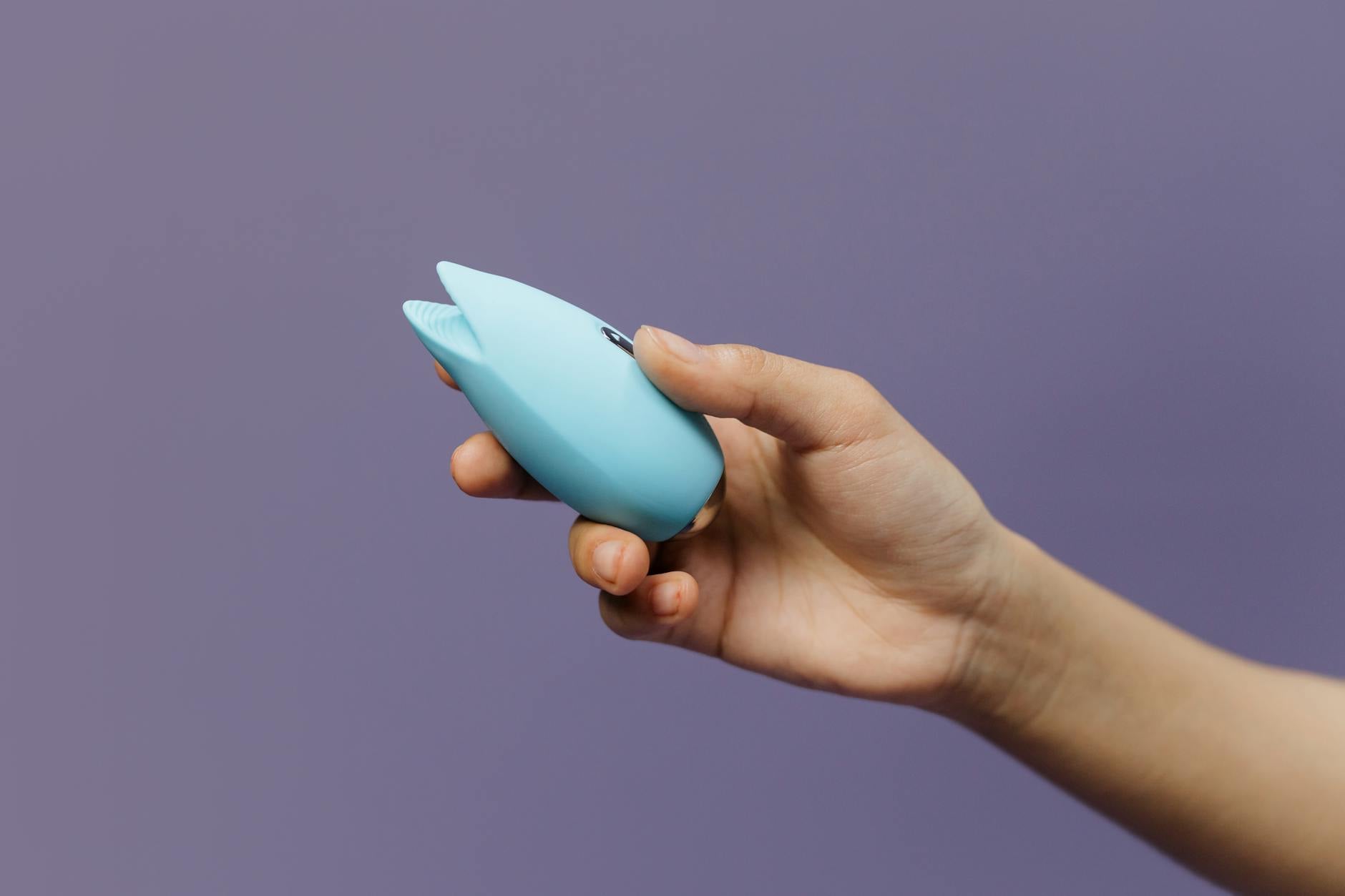
This is where lemon vibrators make a difference. Air-suction technology creates a different sensation entirely. Instead of buzzing, it builds pressure and release. For bodies that have gone numb from stimulation overload or disconnection, that rhythmic pulse registers as interesting rather than overwhelming. It's novel. It gets attention.
You're not trying to blast past the numbness. You're trying to wake the nervous system up by offering something it hasn't heard in a while.
When you're rebuilding sensation, the temptation is to rush. You want to feel like yourself again, and you want it now. That impulse makes total sense. But rushing is exactly how sensation goes back into hiding.
Here's what actually works. Get a lemon clitoral vibrator (or similar suction-based toy), charge it, and use it on pattern 1 or 2. Sit with that for five minutes. Not ten. Five. Just notice. You're not chasing an orgasm. You're not even chasing arousal. You're listening for the smallest sign that your body is waking up. A slight tingle. A deepening of breath. A thought that says, "Oh, I remember this."
The next time, try pattern 2 or 3. Move sessions to every other day, not daily. Your nervous system needs time to integrate the signal. Too much too fast, and you'll flip right back into protection mode.
Here's the part nobody tells you: rebuilding sensation doesn't follow a linear path. Some days your body feels more available than others. Stress, sleep, where you are in your cycle, whether you've been kind to yourself all week. These things matter. A lot.
You might find that arousal takes longer to build than it used to. That's not wrong. That's actually normal for a nervous system that's been protecting itself. You might discover that some patterns feel good while others don't. That's information. Your body is telling you what it needs.
You might also have moments where sensation floods back, and then disappears again the next day. That's not failure. That's your nervous system learning that it's actually safe to let the signal through. It takes repetition and consistency before that becomes stable.
If you're rebuilding sensation with someone, this conversation deserves its own space. Don't layer it under "we should have more sex." Don't make it about their pleasure or their worry that something's wrong with your attraction. Make it simple and direct: "My body is reconnecting with sensation. It takes time. Here's what helps. Here's what doesn't."
Most partners actually appreciate clarity. They'd rather know the map than guess. You could frame it like this: "I'm using a lemon clitoral vibrator to wake up sensation that's been quiet. Some weeks will feel more available than others. This isn't about you. It's about me learning to feel safe in my own body again."
That's a sentence that changes everything. It moves the focus from performance to process.
After two to three weeks of consistent gentle use, you might notice that pattern 1 or 2 stops creating that interesting sensation. Your body is asking for more input. That's the signal to move up.
But move up one pattern at a time. Not from 1 to 5. From 1 to 2. From 2 to 3. The goal is to stay curious, not to overwhelm again. You're building confidence in your nervous system's ability to process sensation. Each step up is proof that safety is returning.
If at any point a higher intensity feels more like static than signal, dial it back. You haven't failed. You've just found the edge. Sit with it for another week and try again.
Tissue sensitivity often changes when sensation has been quiet. Your body might be naturally lubricated, but the tissue might feel more tender. This is especially true if disconnection has lasted months or longer.
Water-based lubricant can be genuinely helpful here. It reduces micro-friction and lets you focus purely on the sensation the vibrator is creating, rather than also managing physical discomfort. Use it generously. There's no such thing as too much when you're rebuilding.
The air-suction technology in lemon sexual toys creates a sensation that's fundamentally different from traditional vibration. It's rhythmic without being jarring. It builds intensity gradually rather than blasting. For a nervous system that's been protective, that matters.
The shape of the lemon vibrator is also designed to fit the clitoral anatomy without requiring guesswork. You're not searching for the right angle. The toy does that work. That means less effort, more focus on what you're actually feeling.
You're also using a tool specifically designed for this goal, which shifts the psychology. You're not hoping that a toy made for something else will work. You're using something that was built for what you're trying to do.
Every nervous system moves at its own pace. But here's a realistic picture: four to six weeks of consistent, patient use before sensation starts to feel familiar again. Two to three months before arousal begins to build with something like its old predictability. Six months to a year before you feel genuinely reconnected.
That sounds like a long time. It is. But it's also the time your body needs to learn that sensation is safe again. You can't rush that. You can only show up consistently and let it happen.
If after eight to ten weeks of consistent use you're not noticing any shift in sensation, or if numbness feels paired with numbness in other parts of your life (taste, touch, emotion), that's worth discussing with a therapist or doctor. Sometimes sensation numbness is part of a larger picture. Disconnection, depression, nervous system dysregulation. These benefit from professional support alongside self-exploration.
You deserve to feel again. Whether that happens solo or with professional help, it's worth the time.
Most people notice small shifts within three to four weeks of consistent, patient use. Real momentum typically builds around six to eight weeks. But everyone's timeline is different. Your nervous system might surprise you and wake up faster, or it might need longer. The key is consistency over speed.
Absolutely. If anything, numbness that's been there for years often responds really well to air-suction technology because it's so different from what your body has been experiencing. You're not fighting against old patterns. You're introducing something entirely new. Start slowly, be patient, and notice what happens.
That usually means one of three things. The intensity is too high (dial it down), the pace is too fast (give yourself more time between sessions), or your nervous system needs professional support to process what's happening (in which case a therapist trained in somatic work or trauma can help). Don't push through. Adjust.
Completely normal. Your nervous system is learning that safety is possible. It takes repetition. Some weeks you'll feel more available than others based on stress, sleep, relationships, and a hundred other things. That's not failure. That's the nervous system doing its job.
Yes, but only if they understand that this is about you reconnecting with your own body first. If your partner's involved, they should use the lemon vibrator on you while you focus purely on sensation. Their job is to follow your lead and pace, not set it. Make sure they know that nothing is expected to lead to sex or orgasm. This is purely about waking sensation up.
Medication side effects (especially from SSRIs or antidepressants) are real and deserve real strategies. A lemon clitoral vibrator can definitely help, but so can talking with your prescriber about timing doses or adjusting medications. These conversations matter. You're not stuck with numbness forever, but you might need multiple strategies working together.
Sensation rebuilding isn't glamorous. It's not something you post about. It's patient, repetitive, sometimes frustrating work. But it matters. Your body's ability to feel pleasure is part of your life force, your presence, your capacity for joy.
Lemon vibrators are built to support exactly this kind of gentle, gradual reconnection. Not by forcing anything. By creating the conditions for your nervous system to decide that it's safe to wake up again. That distinction might sound small. It's everything.