Here's what nobody tells you about recovery. Your body heals on its own timeline, but your pleasure doesn't automatically come back with it. Surgery, illness, medication changes, or trauma can rewire what feels good, what feels safe, and how quickly arousal builds. Most guides skip this entirely and jump straight to "when you're cleared by your doctor." That's not actually when the conversation starts.
I work with couples navigating this transition constantly. The pattern is always the same. One person is physically cleared but emotionally cautious. Their partner wants things to return to normal immediately. Neither of them has language for the middle ground where healing happens. Lemon vibrators, specifically their gradual intensity and gentle suction design, become a bridge during that gap.
Your nervous system doesn't separate physical healing from emotional safety. When your body has been through trauma, surgery, or serious illness, your nervous system learns to protect you. That protection shows up as numbing, hypervigilance, or delayed arousal. Add in medication side effects (SSRIs, pain management, hormonal treatments), and sensation becomes genuinely unpredictable.
The clitoral tissue itself may need time. Post-surgical swelling, scar tissue formation, or inflammation changes how nerve endings respond. That's not a permanent problem. But it does mean that what worked before might feel too intense, too numb, or just wrong in a way that's hard to explain.
Here's the piece most people miss. Your desire and your body's physical response are separate systems. You might desperately want things to feel good again. Your body might not cooperate. That's not psychological. That's physiology. And it's temporary.
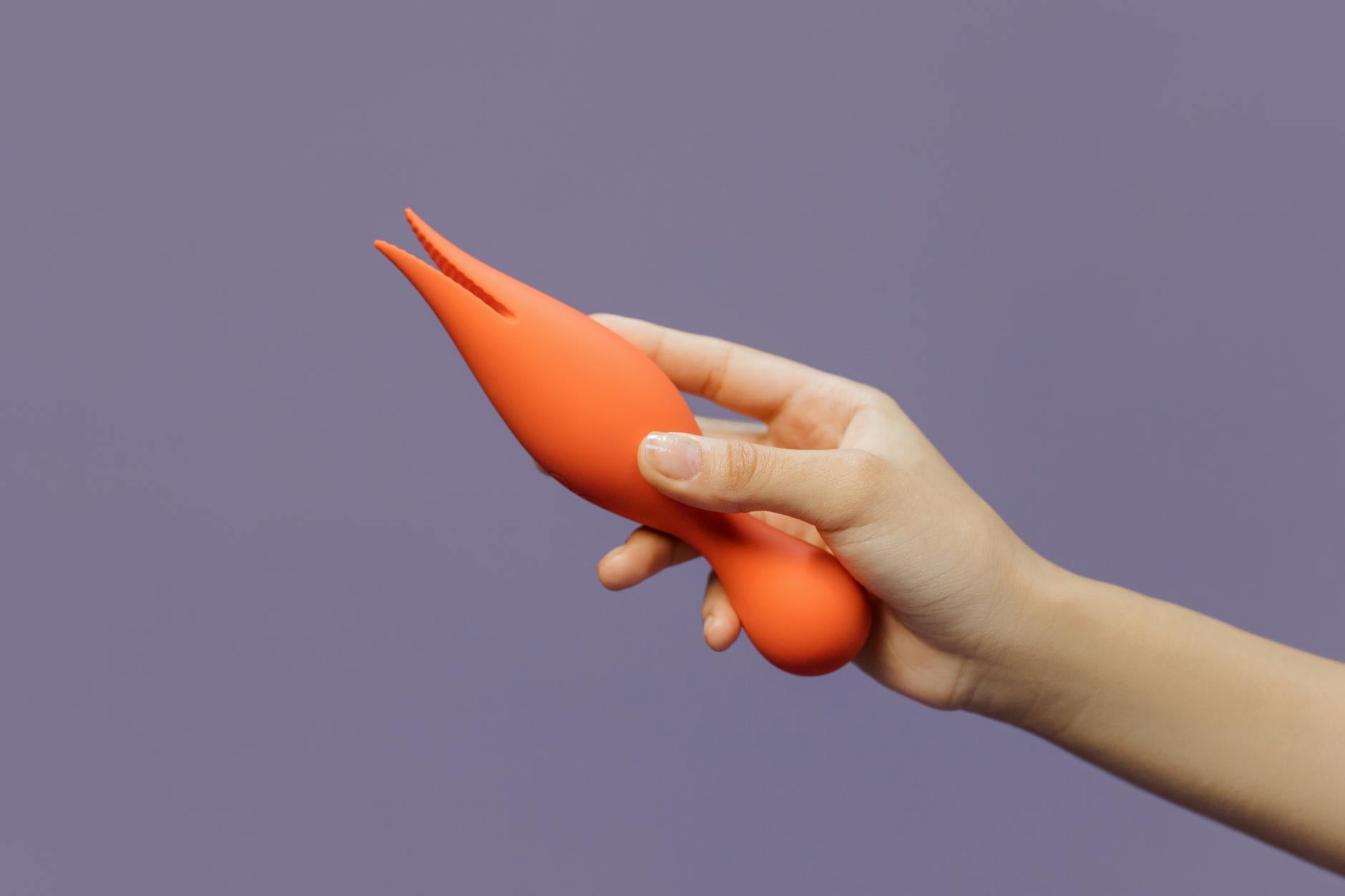
The Lemon Clitoral Vibrator and other lemon vibrators in the Nancy Lemon Toy lineup use suction technology rather than direct vibration. That's crucial during recovery. Direct vibration can feel jarring on sensitive or swollen tissue. Suction stimulates the same nerve clusters without the same mechanical pressure.
Think of it like this. If you've had surgery or inflammation, your tissue is tender. A clitoral vibrator that buzzes in place can feel like someone tapping your sore shoulder repeatedly. Suction feels more like gentle rhythmic massage. Same nerve activation, completely different sensation profile.
The intensity settings also matter. With the Lemon, you're not locked into high speeds. You start low and build as your body signals readiness. That control is essential when you're learning your body all over again.
Finally, the design itself sends a message to your nervous system. Something smooth, intentional, and shaped like an actual lemon feels less clinical than a medical device. That psychological shift matters. Your nervous system relaxes when pleasure feels like pleasure, not rehabilitation.
Before you touch anything with a vibrator, you need permission from your medical team. That's obvious and I'll say it anyway. What's less obvious is that "cleared for sexual activity" doesn't mean you're ready. Many doctors give that clearance based on wound healing or pain thresholds, not on nervous system readiness. Those are different things.
Have a separate conversation with yourself. Do you want this? Not do you think you should want this. Not is your partner waiting. Do you actually want to explore pleasure again right now. If the answer is no, that's the only honest answer and everything stops there. Recovery isn't a deadline.
If the answer is yes, start with solo exploration. No pressure to perform, no audience, no timeline. Your body will tell you things you need to hear when you're alone and nobody's waiting for a particular outcome.
Start with the lowest setting. Not because you're broken, but because your nervous system is learning sensitivity all over again. What felt like level 2 before might feel like level 5 now. Go slower than feels logical.
Warm up longer than you think you need to. Spend 10 to 15 minutes on external touch, breathing, maybe very gentle hand stimulation before you introduce the vibrator at all. Your body needs time to signal that it's ready. That's not foreplay. That's preparation.
Keep lube nearby, even if you don't think you'll need it. Healing tissue or medication side effects can affect natural lubrication unpredictably. Water-based lube costs nothing compared to the comfort it creates. Use it liberally.
Start at the outer edges. Don't go directly to the clitoris. Let the suction work on the broader area first. Your nervous system will let you know when it's ready for more direct contact. That might take weeks. That's completely normal.
Stop if anything hurts. Pressure is fine. Slight intensity is fine. Pain is information. Listen to it. Many people push through discomfort during recovery because they think they should. Your body is trying to tell you something. Believe it.
If you're in a relationship, there's a conversation that needs to happen before anything else. You need to tell your partner that this is about reconnecting with yourself first, not about being ready for partnered sex. That's not rejection. That's honesty.
Many partners feel helpless during recovery. Bringing lemon vibrators into partnered exploration can actually help both of you feel less stuck. But only if you're both clear on what the goal is. The goal is not performance. The goal is not proving things are back to normal. The goal is rebuilding trust in your own body.
You can invite your partner into that process without needing to have sex. They can watch, they can talk you through it, they can simply be present. Some people find that kind of witness healing. Others find it distracting. You get to decide.
The conversation afterward matters more than the experience itself. What felt good. What felt surprising. What confused you. Your partner isn't a therapist, but they are your partner. Let them in on what you're learning about your body.
Many recovery protocols involve pain medication, antibiotics, or other pharmaceutical support. Some of those genuinely affect arousal and sensation. SSRIs, for example, are famous for numbing everything. Certain pain medications shift blood flow. Hormonal treatments change tissue texture and lubrication.
If you're on medication that's affecting sensation, that's worth mentioning to your prescriber. Not to change the medication necessarily. But sometimes dosage adjustment, timing, or switching to an alternative with fewer sexual side effects is possible. You deserve that conversation.
If medication adjustment isn't an option, lemon vibrators actually help offset some of that numbness. The suction technology is gentler but also more stimulating in some ways. You might need longer warm-up time and lower intensity, but many people report that the Lem or similar lemon clitoral vibrators help them access sensation that medication made harder to find.
Here's what therapy clients tell me constantly. The physical recovery is actually the easy part. The nervous system recovery, the emotional permission to enjoy pleasure again, the grief about how your body changed—that's the real work.
You might feel anger that your body didn't cooperate. You might feel guilty for wanting pleasure when you're supposed to be focused on healing. You might feel disconnected from a part of yourself that used to bring joy. All of that is valid. And none of it means you're broken.
Using lemon vibrators during recovery can actually help with this emotional piece. When you reconnect with your own capacity for pleasure, you're telling your nervous system something important. You're saying, I survived that. I'm still worthy of good feelings. My body is mine again.
If pain persists beyond what you'd expect from normal healing, talk to your doctor or a pelvic floor physical therapist. They can assess whether there's underlying inflammation or scar tissue that needs specific intervention.
If numbness or arousal changes don't improve over months, a sex therapist specializing in recovery or trauma can help. They're not there to make you want sex. They're there to help you understand what your body is telling you and whether that's temporary or something that needs different support.
If you're struggling with the emotional piece of recovery, that's also therapy territory. A marriage and family therapist or trauma-informed counselor can help you process the grief and fear that often comes alongside physical healing.
None of that is failure. That's just good recovery.
Recovery doesn't follow a schedule. Some people reconnect with pleasure within weeks. Others take months or longer. Both are completely normal. Your body healed on its timeline. Your pleasure gets to do the same.
Lemon vibrators don't speed that up artificially. What they do is give you a tool that works with your body instead of against it. Gentle. Adjustable. Designed for relearning. That's all you need.
Start where you are. Move at your own pace. And remember that pleasure is part of recovery, not something you earn once healing is complete. Your body deserves that kindness.
Most medical clearance for sexual activity comes at 4 to 6 weeks post-op, depending on the type of surgery. That clearance is just the baseline. Your nervous system might need more time. Start with the lowest setting on a lemon vibrator only after you've had explicit clearance from your doctor and genuinely want to explore. Many people wait an additional 2 to 4 weeks beyond medical clearance, and that's wise. Listen to your body, not a timeline.
No, when used gently and at low intensity. The suction design of lemon vibrators is actually gentler on healing tissue than direct vibration. That said, if you experience pain during use, stop immediately. Pain is different from pressure or mild discomfort. If pain persists after using a vibrator, mention it to your doctor. You're not doing anything wrong by exploring gently, but your body's signals matter more than any tool.
Numbness can persist for several reasons. Scar tissue, nerve damage, medication side effects, or psychological protection are all possibilities. If numbness lasts more than a few months, talk to a pelvic floor physical therapist or sex therapist. They can assess whether there's something structural that needs intervention or whether your nervous system just needs more time and different support. Lemon vibrators might help, but they're one tool, not the whole answer.
That depends on your relationship and how much you typically share. If you're in a monogamous partnership, transparency about your pleasure exploration is usually helpful. You don't need to give a play-by-play, but saying "I'm using a vibrator to reconnect with my body" opens a conversation instead of closing one. If your partner reacts with insecurity or pressure, that's information about what needs to be discussed separately. Your recovery time isn't the time to manage your partner's feelings about your pleasure.
Yes, sometimes. The suction technology stimulates nerves in a way that's often gentler but also more effective than direct vibration for people experiencing medication-related numbness. That said, if medication is the cause, talking to your prescriber about dosage or alternatives is worth doing alongside exploration with a vibrator. You might not need to change anything, but you deserve to know your options.
Completely normal. Your body went through something significant. Your nervous system protected you by dampening sensation and desire. That's not a problem. That's actually your body doing exactly what it should do. Reconnection takes time and gentleness. A lemon vibrator can be part of that process, but patience and self-compassion are the main ingredients.
Your recovery doesn't need to look like anyone else's. There's no right speed, no correct timeline, no way you're supposed to feel about your body right now. What matters is that you're moving forward at a pace that feels honest, with tools that honor where you actually are instead of where you think you should be.
Lemon vibrators are good at that. They're not dramatic. They're not trying to prove anything. They're just a way to reconnect with your own pleasure on your own terms. That's enough. That's actually everything.
If you're navigating recovery and feeling stuck about how to approach pleasure again, that conversation is worth having. Reach out to a therapist, talk to your doctor, or simply give yourself permission to explore slowly and without judgment. Your body is stronger than you think. Your pleasure matters during healing, not after it.