What disconnection actually feels like
Let's be real. Feeling disconnected from your body isn't the same as feeling sad or anxious. It's a specific kind of absence. You might be present during sex, but you're observing it rather than living it. Your partner touches you and the signal reaches your brain, but somewhere between sensation and response, the message gets lost. You're in your body, technically, but you're not home.
This happens more often than people talk about. Trauma survivors report it. Partners in broken relationships experience it. Women navigating major life transitions. People managing chronic stress or complex grief. The nervous system learns to protect itself by pulling back, and rebuilding that connection requires patience, the right conditions, and often, a very specific kind of touch.
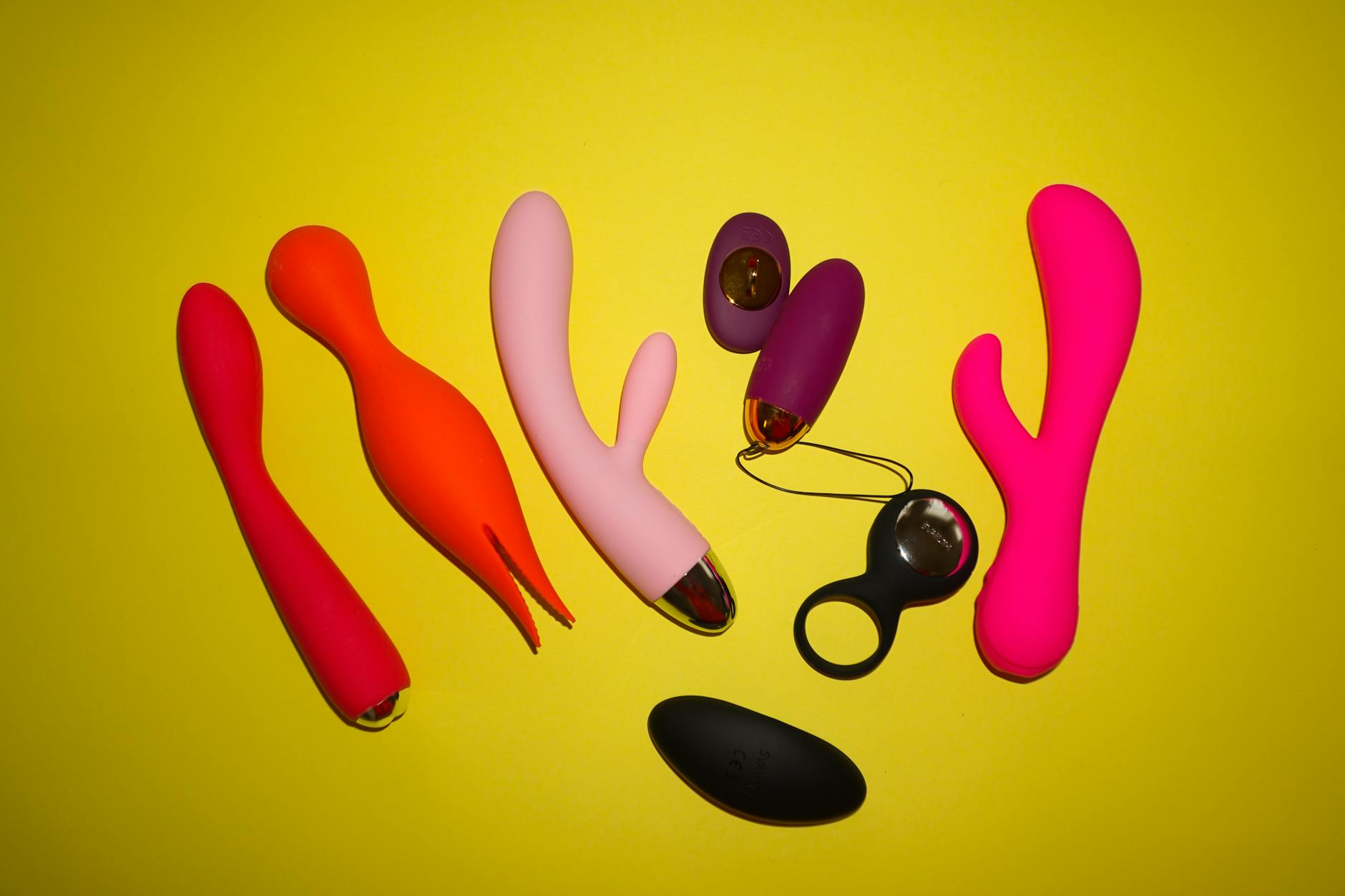
That's where clitoral vibrators designed for gentle stimulation come in. The Lem, a suction-based lemon vibrator, works differently than traditional vibration. It creates rhythmic patterns of sensation that the nervous system recognizes as safe, consistent, and deeply physical. When you've been numb, that consistency is everything.
Why numbness isn't a desire problem
Here's the distinction that matters. Disconnection from your body is NOT the same as low desire. You might want to feel pleasure. You might want intimacy. The friction isn't motivation, it's reception. Your body isn't receiving the signal, or receiving it so quietly that it barely registers.
This changes the entire approach. If this were about desire, we'd talk about setting the mood or trying new positions. But you're not struggling to want something. You're struggling to feel anything at all. That requires a different tool and a different strategy.
The clitoral vibrators that work best for reconnection are ones that deliver sustained, patterned sensation without requiring you to do much of anything. A lemon sucker vibrator is ideal because it doesn't rely on you being already aroused. It doesn't require friction. It creates its own sensation from zero, which means you can start from complete numbness and let your nervous system gradually recognize what's happening.
Starting with sensation, not performance
The first step is the hardest one to take, because it requires removing the expectation of an orgasm entirely. This sounds counterintuitive when you're using a vibrator, but it's essential. Your goal right now is not climax. Your goal is to feel something, anything, that proves you're inhabitable.
Set aside 20 to 30 minutes when you're not exhausted. Alone is important at first, because you need to remove the pressure of being responsive or sexy or normal. You need permission to just exist and observe.
Take the Lem or another gentle lemon clitoral vibrator. Start at the lowest pattern setting. Don't apply it yet. Let your fingers trace over the area first. Warm touches. No agenda. This is a conversation between you and your own tissue, not a performance.
When you apply the vibrator, use it the way you'd use a warming pad on a sore shoulder. Gentle pressure. Stay on one setting for at least two minutes. You're not looking for intensity. You're looking for any sensation that your nervous system recognizes and responds to. Tingling. A slight shift in temperature. A muscle twitch. That's data. That's your body saying hello.
The neurological path back to connection
Your brain has learned to dismiss signals from your body as optional information. Reconnection is essentially retraining that circuit. The Lem works well for this because its pattern is consistent and somewhat hypnotic. Your nervous system doesn't have to predict what comes next. It can just notice the pattern, recognize it as safe, and gradually begin to trust again.
Most people who have been numb report that the first real sensation comes around the fourth or fifth session, not the first. This is normal and it's not a failure. You're not broken. Your protective system is just very thorough. Give it time.
One of my clients described it like this: "I felt like I was watching someone else's body light up. Then eventually, I realized that someone else was me." That shift, from observer to participant, happens gradually. It doesn't announce itself as a breakthrough. It just becomes undeniable.
When to bring a partner back in
If you have a partner and you've been avoiding sex or intimacy because of disconnection, they're probably feeling that too. They might interpret it as rejection, lack of attraction, or loss of love. It's worth being clear: this is about your nervous system needing a recalibration, not about them.
Once you've spent a few weeks rebuilding sensation on your own, you can invite them to be present in a very specific way. Not as a participant. As a witness. They could sit nearby while you use your lemon vibrator, not to become aroused themselves, but to remind you that you're safe and seen. This bridges the gap between solo reconnection and shared intimacy.
If your partner has struggled with the disconnection, you might also revisit communication about what you both need right now. That's a separate conversation from the physical reconnection, and it matters just as much.
Practical adjustments for sustained use
When you're rebuilding sensation, consistency beats intensity every single time. Use your vibrator on the gentlest settings, and prioritize longer sessions over faster results. A 25-minute session at pattern 1 or 2 will rewire your nervous system more effectively than aggressive stimulation followed by weeks of numbness again.
Keep lube handy, even though clitoral vibrators like the Lem don't require it the way penetrative toys do. Water-based lube can reduce any micro-friction and make the experience feel more like sustained pressure than work. It also sends a signal to your nervous system: this is nurturing, not demanding.
Track what works. You might notice that certain times of day feel more receptive. Early morning, before the day's stress accumulates. Late evening, when your body is already winding down. Or maybe right after a shower, when your skin is most sensitive. The goal is to identify the window when your nervous system is most willing to listen.
What reconnection actually looks like
You won't suddenly feel like you did before the disconnection. That's not the goal. The goal is to feel present in your body right now, in this version of your life. That might feel different than the old version. Quieter. More deliberate. Less automatic.
Some people find that reconnection comes with emotion. You might cry during or after using your vibrator, and that's completely normal. Your body is processing safety, recognition, and sometimes grief for the time you've lost to numbness. Let that happen. It's part of the healing.
Others find that sensation returns in waves. One week you feel completely present. The next week, it fades slightly. This is normal. Your nervous system is learning a new pattern, and that learning isn't linear. Consistency matters more than perfection.
If disconnection was tied to trauma or severe anxiety, reconnection will probably also require working with a therapist. A vibrator is a tool, not a cure. It can support the process beautifully, but it works best alongside professional support.
When to seek additional help
If you've been using a lemon vibrator consistently for six to eight weeks and you're not feeling any shift toward sensation or presence, talk to a therapist or a doctor. Disconnection can sometimes point to depression, complex trauma responses, or neurological changes that need additional support. There's no shame in that. It just means you need more tools than a vibrator alone can provide.
Similarly, if disconnection is tied to medication changes, hormonal shifts, or medical conditions, checking in with your provider is worth doing. You deserve to feel at home in your body, and sometimes that requires treating the underlying cause, not just the symptom.
Recovering embodied pleasure is slow work. But it's some of the most meaningful work you can do. When you rebuild the connection between your nervous system and your body's capacity for sensation, you're not just rediscovering pleasure. You're rebuilding trust. You're learning that your body is still yours, still capable, still worth attention. That changes everything.
FAQ
How long does it typically take to feel sensation again after prolonged disconnection?
Most people report the first noticeable shifts between the fourth and eighth session, though significant reconnection often takes four to six weeks of consistent practice. This timeline varies widely depending on the source and severity of disconnection. Trauma survivors sometimes need longer. The key is to measure progress by the quality of presence you're experiencing, not by whether you've had an orgasm. Small sensations count.
Can I use a lemon vibrator for reconnection if I also have pelvic pain or sensitivity?
Yes, but start with the absolute gentlest settings and the longest sessions. Pelvic pain and disconnection often coexist, and they feed each other. Using a device designed for clitoral stimulation without penetration, like the Lem, is often easier on sensitive tissue. If pain increases, pause and consult a pelvic floor physical therapist. They can help you distinguish between protective pain and actual injury.
What's the difference between using a lemon vibrator alone versus with a partner during reconnection?
Solo use is the foundation. It removes performance pressure and lets you focus entirely on what you're feeling. Partner presence can be introduced once you've rebuilt some baseline sensation. Rather than trying to have partnered sex, consider having your partner sit nearby while you self-pleasure, so you experience both solitude and safety. This bridges the gap gently.
Is it normal to feel emotional or cry while using a vibrator for reconnection?
Completely normal. Your nervous system has been protecting itself by staying numb. When sensation returns, sometimes grief or relief comes with it. You might be mourning the time lost to disconnection, or celebrating the fact that you can feel again. Both are part of the healing process. Don't suppress it. Let it move through you.
If disconnection is tied to a past relationship or trauma, can a vibrator alone help me reconnect?
A vibrator is a powerful tool for rebuilding embodied sensation, but it works best alongside therapeutic support. Trauma-related disconnection often requires professional guidance to process safely. A vibrator can help retrain your nervous system to recognize safe sensation, but healing the underlying wounds usually requires more comprehensive support. Consider working with both.
How do I know if my disconnection is a sign of depression versus trauma response?
The pattern matters. Trauma-related disconnection is often localized to intimate or touch-related moments. Depression-related numbness usually extends across multiple areas of life. You might feel disconnected from pleasure but also from joy, motivation, and social connection. If you suspect depression, talk to a mental health professional. If it seems specific to intimacy, reconnection work with a therapist alongside gentle tool use like a lemon vibrator can help.
Resources for deeper support
If you're working through disconnection tied to trauma, the National Center for PTSD offers evidence-based resources. For pelvic floor concerns, the International Pelvic Pain Society has a directory of specialists. If disconnection seems tied to anxiety or depression, reaching out to a therapist trained in somatic work (body-based therapy) can pair beautifully with the physical reconnection work you're doing on your own.
Your body wants to be home again. It just needs time, consistency, and permission to come back slowly.