How to Use Lemon Vibrators When You're Not Orgasming With Partners But Easily Alone
The gap is real, and it's not a flaw
Here's the thing that almost nobody says out loud: you can have absolutely incredible, reliable orgasms by yourself, and then your partner touches you and suddenly your body goes quiet. It's like flipping a switch to off. You're not broken. You're not too sensitive. You're not asking for too much. What's happening is neurological, and it's wildly common.
I talk to people about this almost every week. The shame around it is massive, but the actual physiology is straightforward. Your body responds differently under different conditions. Solo play has zero audience pressure, zero timing anxiety, and zero need to perform. Your partner is there with the best intentions, and suddenly those three things are all present at once.
Why solo orgasms come easily but partnered ones stall
When you're alone, you have complete control. You know exactly what angle works, what speed gets you there, and you can build arousal without worrying about anyone else's experience or timeline. Your nervous system is in parasympathetic mode (rest and digest), which is the state where orgasms actually happen.
The moment a partner is involved, even a loving one, your nervous system can shift into sympathetic mode (fight or flight). Not because the person is scary, but because there's now an external variable. They might have expectations. They might be tired. They might finish before you do. Even if none of that is consciously on your mind, your body tracks it.
This is compounded by the orgasm gap that exists for people with vulvas in partnered sex. Research consistently shows that solo orgasm rates are 65-80%, but orgasm rates with partners drop to 40-50%. That's not a personal failure. That's a structural mismatch between what typically happens during partnered sex and what your body actually needs to climax.

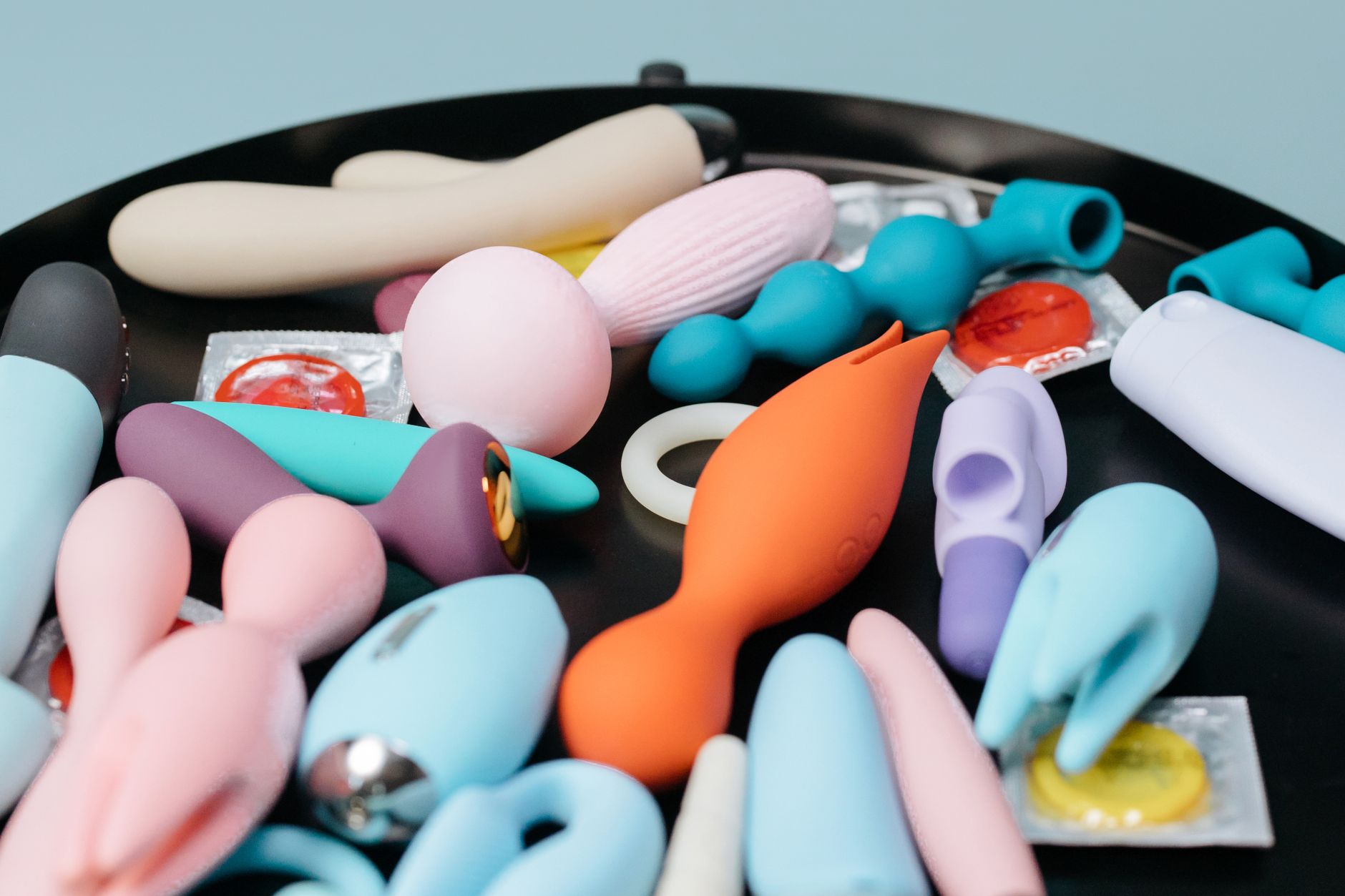
Photo by cottonbro studio on Pexels
How lemon vibrators change the equation
A lemon clitoral vibrator like the Lem works here because it does two things simultaneously. First, it gives you the direct, precise stimulation that your body knows how to respond to. You're not relying on your partner to figure out the exact angle or rhythm. The Lem's suction technology targets the clitoral complex without heavy friction, so sensation stays focused and building.
Second, introducing a lemon vibrator into partnered play reframes what's happening. It's no longer about your body failing to respond to your partner's touch alone. It's a collaborative tool. Your partner is participating in your pleasure, not being replaced by it. That distinction shifts the psychology entirely.
When I work with couples on this, the people who see the fastest shift are the ones who stop thinking of the vibrator as a backup plan and start thinking of it as part of the experience. Your partner isn't there to make you come. They're there with you while you come.
The specific setup that works best
Start with solo play first, before bringing your partner in. This isn't about proving anything. It's about reestablishing the neural pathway that says "this tool leads to pleasure." Use your lemon vibrator alone for a few sessions, building your familiar connection with it. Let your body remember what it feels like to build toward climax with this particular sensation.
When you're ready to introduce it with a partner, communicate clearly beforehand. "I'd like to try using this during sex. It helps me come, and I want that to be part of our experience together." Not apologetic. Not asking permission. Informing.
During partnered play, start the vibrator before your partner enters, if penetration is part of what you want. That way, you're already building arousal in the pathway you know works. Your partner can then focus on other kinds of touch, intimacy, or connection that feel good without the pressure of being responsible for your orgasm.
Many people find that the combination of the lemon vibrator on the clitoris plus penetration or other partnered touch creates a new sensation entirely. Your partner's movements don't need to match your vibrator's rhythm. They're independent channels of stimulation, and that separation can actually be easier for your nervous system to track.
Managing the psychological piece
Here's where most guides stop, and it's where the real work is. The physiology matters, but the psychology matters more. If you're using a lemon vibrator with a partner while also carrying shame or anxiety about needing it, your nervous system will still hit a wall.
You need to genuinely believe that your pleasure mattering is not the same as your partner's stimulation being insufficient. These are different things. Your partner can be attentive, skilled, and deeply attracted to you and still not be able to create the exact conditions your nervous system needs in order to let go.
This is also a good moment to check in on broader relationship dynamics. Are you the person who always puts your partner's comfort first? Do you tend to soften your needs in order to avoid conflict? Are you worried about taking too long? Those patterns will absolutely show up in bed and make it harder to climax with a partner present. When desire returns after emotional distance, sometimes the block is emotional, not physical.
Positioning and communication during the act
The position that works best for most people is one where you have some control. If you're on top or in a side-by-side configuration, you can angle the lemon vibrator exactly where it needs to be, and you're not relying on your partner to hold something while also being intimate with you.
If you prefer being on your back with your partner, use a small pillow or wedge under your hips to tilt your pelvis. This gives you better access to your own clitoris with the vibrator while your partner is closer to you.
Vocal communication during sex is awkward at first, and it's essential. "A bit slower." "Keep doing that." "I'm getting close, keep going." These aren't atmosphere-killers. They're the difference between an okay session and one where you actually climax. Partners who care about you want this information.
If silence during sex feels important to you, you can also establish signals beforehand. A hand squeeze means speed up. A specific breath pattern means keep the intensity steady. Whatever works for your relationship. The goal is removing the guesswork that usually triggers sympathetic nervous system activation.
What to do if it still doesn't work right away
Some people need several sessions before the nervous system accepts that it's safe to let go with a partner present, even with a tool they trust. That's normal. Your brain has probably spent years running the program "partner present equals performance mode." Rewiring takes repetition.
If you're multiple sessions in and nothing is shifting, consider whether there's a relationship dynamic that needs addressing separately. Are you having conflicts outside the bedroom? Do you feel heard by your partner generally? Is there resentment? These things absolutely tank arousal, and no lemon clitoral vibrator can fix them. That's what marriage counseling or couples therapy is for.
Also check in with physical comfort. If you're sore afterward, if the vibrator isn't positioned right, or if you need better lubrication, those mechanical issues will prevent relaxation too. A couple of sessions with your partner focused entirely on what physical setup makes your body happiest, separate from the goal of coming, can reset the whole dynamic.
The long game
Most couples I work with find that after 4-6 sessions of successfully using a lemon vibrator together, something shifts. The nervous system starts to learn that a partner's presence plus vibration equals pleasure, not pressure. Some people eventually find they don't need the vibrator every time. Others do, and that's fine. It's not a goal to move away from using it. It's a tool that works.
What typically changes is the speed at which orgasm happens and the quality of the experience. People report feeling more connected to their partners, less anxious, and genuinely surprised by how simple the solution was. Not simple as in the vibrator being magic, but simple as in removing the variable that was causing the nervous system to shut down.
Your pleasure with a partner is achievable. It might look different than solo play, and it almost certainly requires a tool that you know works. That's not a compromise. That's you taking responsibility for your own experience, which is the actual foundation of great partnered sex.
FAQ
Why can I orgasm alone but not with my partner?
Your nervous system prioritizes safety and control. Solo, you have both. With a partner, even a trusted one, there's an external variable your brain is monitoring. This isn't psychological damage. It's a normal protective response that can be retrained with the right conditions.
Will using a lemon vibrator make my partner feel inadequate?
Not if you frame it correctly. A lemon clitoral vibrator isn't a replacement for your partner. It's a tool that lets you access the precise stimulation your body needs. Reframe the conversation from "your touch isn't enough" to "I want to include this so you can experience me having an orgasm." Partners who care about you want to participate in your pleasure, not be the sole source of it.
How often should I use the vibrator with my partner?
There's no formula. Some couples use it every time. Others use it occasionally when they want to guarantee an orgasm. Pay attention to what works for your nervous system. If using it feels like removing pressure rather than adding a step, that's the right frequency.
Can I use a lemon vibrator if my partner is inside me?
Yes. The Lem works on the external clitoris, so it works during penetration. Some positions make this easier than others. Angles where you're not lying flat (on top, side-by-side, you kneeling) give you better access to hold the vibrator exactly where you need it.
What if my partner doesn't want me to use a vibrator during sex?
That's a separate conversation, and it's important. If your partner is refusing a tool that helps you experience pleasure, that's not about the vibrator. That's about control or insecurity, and those things need to be addressed directly. You deserve to have your pleasure prioritized. If your partner can't do that, that's information about the relationship.
Does using a vibrator mean I'll get dependent on it for orgasms?
No. Your body doesn't become dependent on vibration any more than it becomes dependent on your hands. The Lem teaches your nervous system what intensity and frequency work best for climax. That knowledge transfers to other stimulation, but having a reliable tool that works is always an option you can return to. There's nothing wrong with that.
The orgasm gap in partnered sex isn't your fault, and it's not something you need to white-knuckle through or accept. A lemon clitoral vibrator combined with genuine communication and a shift in how you think about pleasure with a partner can close that gap completely. Your body isn't broken. It's just been waiting for the right conditions to let go. Want to explore how Nancy Lemon Toy products can support your pleasure? Reach out to us.